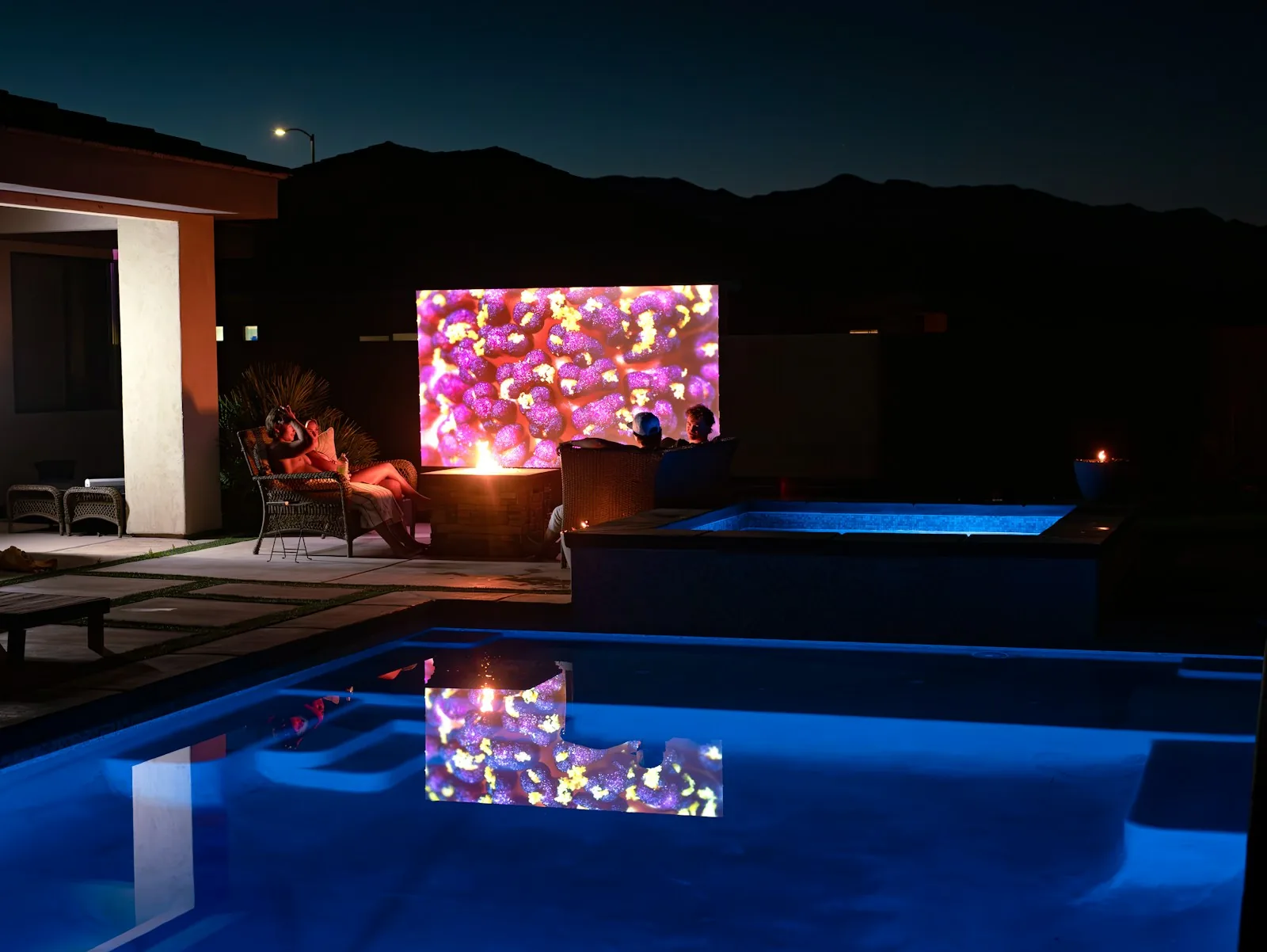
Model comparison
Five projection profiles for different rooms
Five UST planning approaches spanning 3LCD, triple-laser DLP, different picture-size ranges and integrated sound systems.
Compare the profilesFive equipment profiles, four room situations and three signal paths: this editorial guide looks beyond specification sheets to compare the conditions that make a large picture calm, legible and practical for everyday use.
A bright living room, a narrow media area and a darkened film room have very different requirements. Every selection should therefore begin with the light, wall width, viewing distance, furniture and available sources.
An ultra-short-throw system can keep the walking area clear, but it requires a flat surface and geometry accurate to the millimetre. A conventional projector needs more distance, yet often offers more flexible optics. A directional screen can reduce some ambient light from the side, provided that its structure suits the direction of the light. The projector is therefore just one element in a chain formed by the room, surface, signal and perception.
Our comparisons do not award an overall winner. Instead, they describe profiles and limitations: what works with a low cabinet? Which approach is least tolerant of daylight? When is a direct connection more stable than a complex signal route? Technical figures are identified as manufacturer specifications and are never presented as our own measurements.
Each article places several approaches side by side and explains the starting conditions for which each one makes sense.
Model comparison
Five UST planning approaches spanning 3LCD, triple-laser DLP, different picture-size ranges and integrated sound systems.
Compare the profiles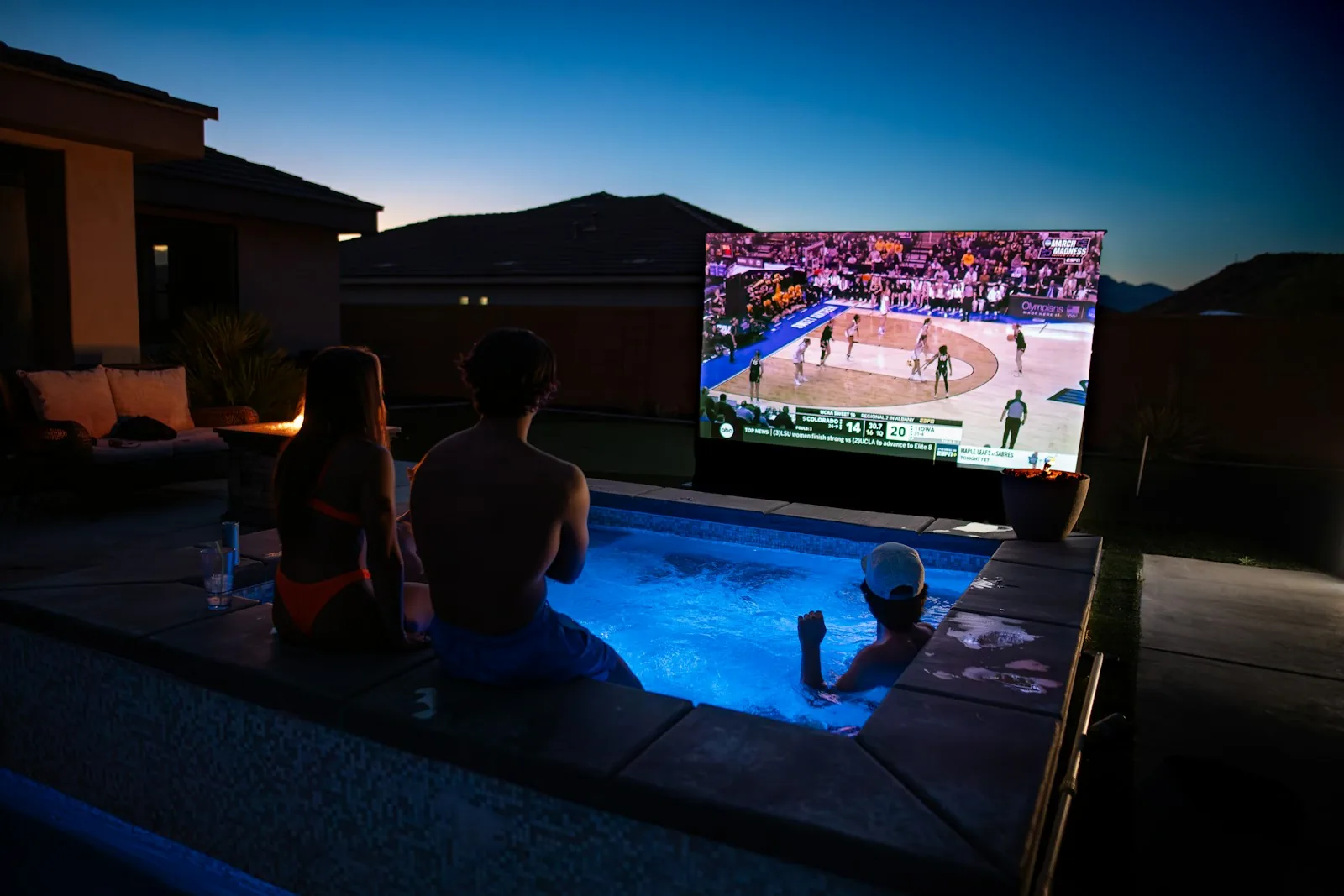
Installation
A freestanding cabinet, fixed platform, wall-mounted unit and integrated solution compared in practice.
Compare installations
Picture profiles
Four starting points, each with its own light output, processing choices and test scene.
Compare picture profiles
Room profiles
Four living situations with different priorities for light, projection surface and seating position.
Compare room profiles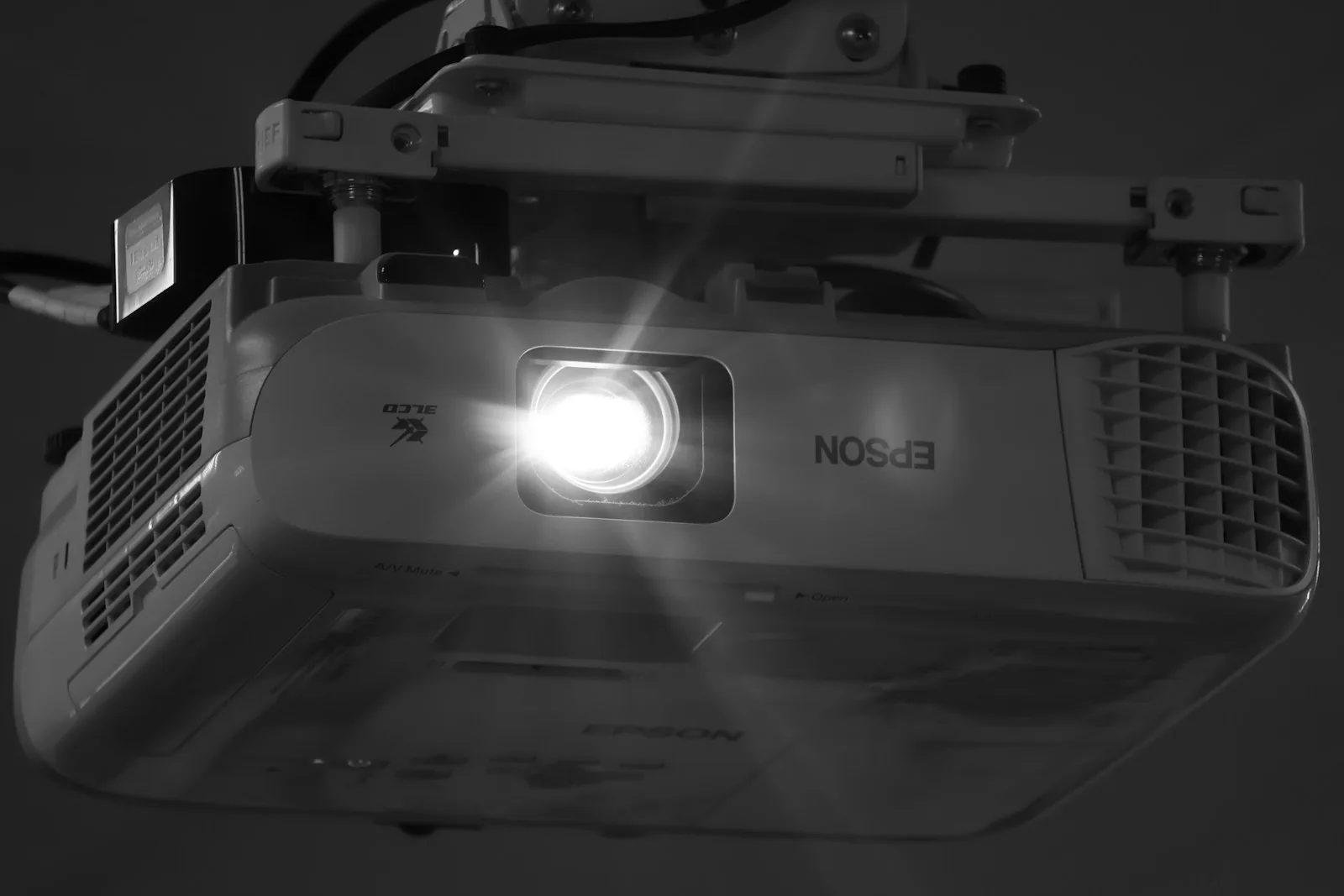
Signal paths
Three wiring models, their common points of failure and a reproducible diagnostic process.
Compare signal pathsManufacturer figures become useful only when the measurement method, room and visible effect are considered together.
ISO, ANSI and other light-output figures are not placed in one ranking without explaining their different basis.
Picture size, room light, surface, picture mode and signal format determine whether a feature matters in daily use.
Model-specific details link to the official manufacturer page; that link does not imply an editorial recommendation.
Direct light on the surface, pale walls and an uneven projection area can have more influence than a single specification. Sound planning therefore starts before the first picture mode is selected.
Follow the room-planning processA search often begins with a model name, but a useful selection begins with the room, projection surface, signal and intended use. The main comparison therefore assesses five devices against the same criteria and keeps manufacturer specifications separate from general planning principles.
External references on the comparison page lead only to official technical information. There are no referral labels, concealed redirects or payments for clicks. A link supports a statement; it does not replace independent context.
How the editorial work is done